
Better Language Skills Lead to Better Learning in School
For kids who experience language challenges, better language skills lead to better learning in school. Nearly everything kids learn in school comes through the language. But how do we define language? We may take our speaking skills for granted but these critical skills are fundamental to learning. When we speak we use our lips, tongue and vocal tract to make sounds, but language is different.
Think of anytime anyone speaks to you. They make sentences and you understand what they say. If a child struggles to use language (whether spoken or through other forms of communication) it almost always means they have a hard time understanding it as well. But what does this mean for learning? A lot.
Imagine trying to take a class and knowing only parts of what the teacher says. Imagine they speak a different language. Kids with language challenges experience something similar. We expect kids to learn in class but may not appreciate that they might only understand small parts of what gets taught.
For this reason, better language skills are critical for kids and their ability to learn – now, as well as in the future. Language learning always builds. What skills they lose now they must get later, at the cost of learning in the classroom.
In this post, we explain how this works and how kids learn more in school with better language skills.
What is Language?
Language is fundamental to all humans. When we put words together to make phrases and sentences, we use language. When hear phrases and sentences, we understand those words.
When a child speaks, they may not put words together or they might put whole phrases together. Language is productive. Children put words together to make sentences in a way that is meaningful. With language we can say anything we want, to make requests, comment, get our wants and needs met and much more.
Between the ages of 2-4, kids learn language rapidly. During this critical time, kids get the most important building blocks of language. They use these building blocks to learn in school, communicate with peers, and get their needs met.
How Do I Know If My Child Needs Help?
If your child struggles to understand what you say or has difficulty putting their words together, they may need help. Most children at the age of 2 can put words together to form phrases and simple sentences.
At age 4 most children will speak in complete sentences with prepositions and different verb tenses. If you notice that your child struggles to use their words at an early age, see a licensed speech therapist as soon as possible.
Some children will understand a lot of what others say but be unable to effectively use their words in sentences. Other kids may have trouble with only certain language skills, like using pronouns, verbs or word endings (-ed, -ing, etc.). In both cases, therapy helps. Kids learn to understand more language while also practicing using their words correctly.
Should I Wait?
It is never a good idea to wait to get kids better language skills. These skills build on each other. If a child does not learn a language skill now, they will have to learn it later before progressing to other skills. And all of these skills are critical for learning in school.
Even at a very early age, kids hear complex sentences from their teachers and parents. We take for granted that kids know what we say but they may struggle to understand us. If there are grammatical errors when your child speaks, they likely don’t understand everything said to them.
The longer we wait to get kids the help they need, the harder it gets for kids to learn. Because most of these skills are learned at a very early age, not getting help early can mean a lifelong impact.
How Language Skills Impact Learning
Impaired language skills can severely impact learning in school. Children use language as tool to learn. Without these skills, classroom instruction can be blocked or completely absent. If a child’s receptive language skills are impaired, then learning is likely also affected.
For many kids, their ability to learn new things in school is directly impacted by their ability to understand what they hear. Almost everything taught in school comes through words and sentences. Even math problems and pictures need explanation.
Knowing whether kids have trouble in these areas can be difficult, too. Sometimes even if kids understand us and speak in mostly correct sentences, they may still need help. Many specific skills need evaluation by a certified expert. Unfortunately, many kids may go ‘under the radar’ even if they do well in the classroom. A student may not struggle enough to raise red flags for teachers, yet still need help from a specialist.
As kids get older, language demands increase dramatically. They are expected to listen to long complex sentences and classroom instruction and write essays. Many kids who don’t get help in this area continue to ‘play catch up’ in the school system. Their language skills may fall behind what they learn in the classroom, making it harder to learn.
What If My Child Doesn’t Speak?
Many parents may find that their child has trouble speaking or does not speak. For autistic children, this may be especially true. They might wait to see if their child catches up or starts talking. It is never a good idea to wait.
Children who do not yet speak and are non-verbal need continued language support. Parents may worry about their child’s ability to speak when their language skills need to grow. Better language skills should never be ignored when waiting for a child to speak.
If a child does not yet speak, they may need an AAC (alternative and augmentative communication) evaluation. Even if a child does not speak, they can communicate and grow their skills with a device, such as an iPAD, or through sign language.
By giving children a means to grow their language abilities, you empower them to learn, even when they cannot speak.
Myth: AAC Will Stop My Child from Speaking
How Better Language Skills Improve Learning
With better language skills, kids get to understand what is taught to them. They get to maximize their ability to learn by understanding everything said to them. The more words kids know and put together, the more they get to participate in the classroom.
These skills build on each other. And learning depends on being able to understand language, whether spoken, written or in another form. By making sure that kids understand what they get taught in the classroom, we must first make sure they have better language skills.
Language also greatly impacts literacy skills. A child’s language skills can easily affect their grade-level reading comprehension and ability to participate in classroom activities and testing.
By giving kids better language skills, we maximize their learning inside and outside of the classroom. We also support their ability to read to learn.
How Can I Help My Child Get Better Language Skills?
By speaking to a licensed speech therapist, you get your child the support they need. No other professional is trained or qualified to teach these skills to kids who have a diagnosable language disorder. Getting kids better language skills means getting them expert help, especially if they are non-verbal. Speech and language are different and they develop separately.
Once your child is receiving support from a speech-language pathologist, there are many ways to help them get better language skills at home! For example, by talking about what you and your child do, especially during play, you help them put more words together.
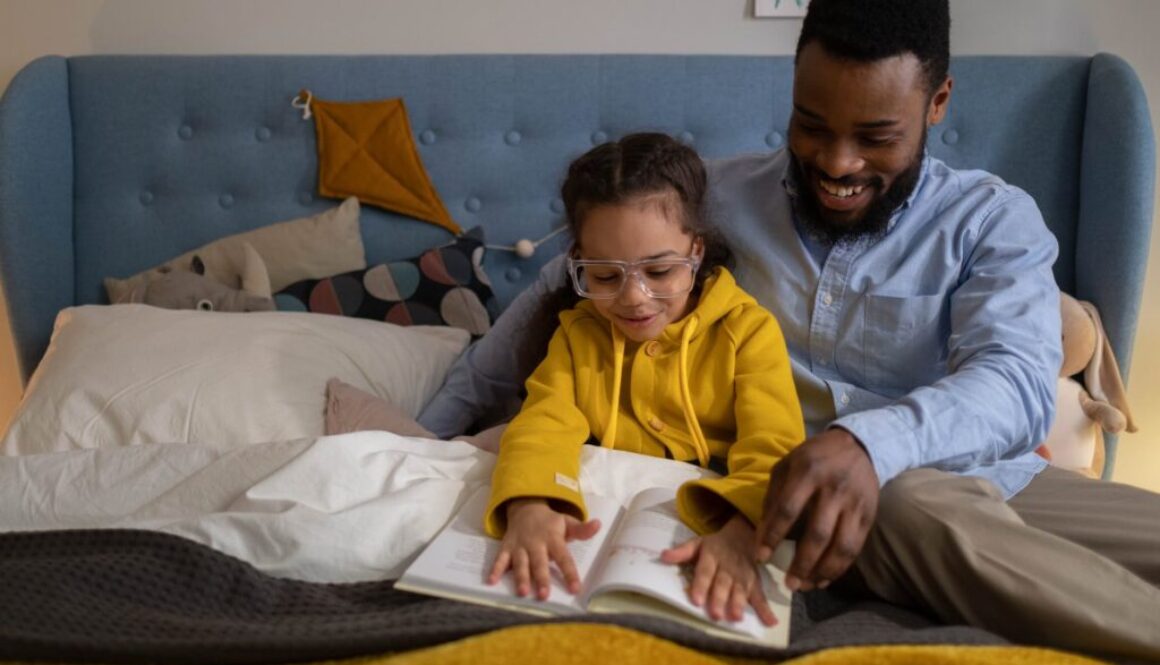
Children also learn these skills a great deal during storybook readings. When reading stories focus on words like adjectives, verbs and prepositions. Talk about what the characters do in the story. Explain pictures and emphasize important words.
When you go out in the community, talk to your child about what you and they see, such as when driving in the car or when shopping. Kids learn language all the time, and the more they hear from you, the better.
How Do Speech-Language Pathologist’s Help?
Speech-language pathologists are specially trained to treat language disorders in children. These experts understand how language works and develops. They also know how to best help kids who struggle in this area. SLPs help by meeting kids where they are, teaching them language skills and expanding on what they already know.
SLPs first learn in what way a child needs help to get better language skills. They then give them ways to put their words together effectively. They show them ways to request, comment, describe and ask questions more.
While a child getting their wants and needs met is incredibly important, SLPs also make sure a child knows how to use their words to talk with peers, describe what they see and ask questions to keep learning.
Speech-language pathologists also get kids better language skills by using visuals and other helpful means to teach the skills in new ways. Many children benefit from learning language visually or and with other supports.
SLPs learn what works best for every child and use those supports to get them the skills they need! Also, always feel free to ask your child’s speech therapist questions. Speech therapists enjoy sharing what they know and helping parents practice skills at home.
Conclusion
In conclusion, when kids struggle to understand and use language, they may also have trouble learning in school. Almost everything we learn comes to us through words spoken by or shown to us by others. Children with language needs often struggle to learn new concepts in school and talk with others effectively. Language skills build on each other, so any skills not gained now need to be learned later, before new skills get learned.
By getting kids the help they need now, they build a foundation to be strong communicators and learn more in school. If your child has trouble putting words together or following directions, they may need expert help from a speech therapist.
At Verbalyze, we provide fun and engaging therapy and use research-based methods to give kids the most effective therapy available. You are welcome to contact us anytime to learn more and ask any questions about your child’s needs.