Receptive and Expressive Language: What They Mean for Your Child
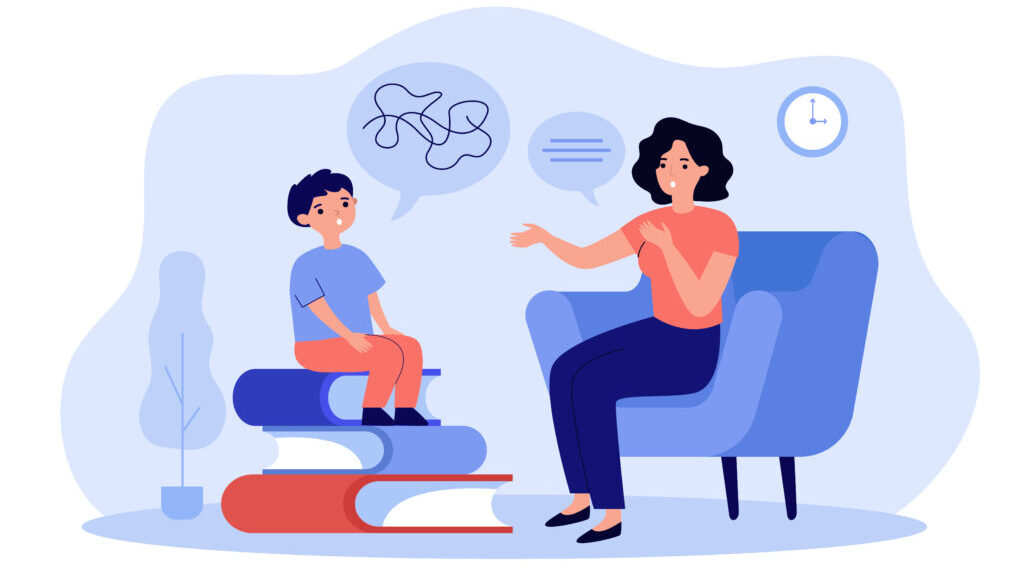
Receptive and expressive language are two terms that help us think about the way we understand language, as well as how we use it. These terms have a lot of overlap but they can be separated. Sometimes a child may have difficulty in only one of these areas. For example, a child may understand a lot but struggle to express what they mean.
A child may struggle in one of these areas and each area includes many different skills. Receptive and expressive language also includes many different modalities or ways that sentences can be understood or used.
In this post, we talk about the differences between receptive and expressive language, share examples of each, and explain what these terms mean for your child.
Receptive Language
Receptive language refers to how we understand language. Children may receive language in different ways. For example, we may hear words, see signs, look at icons and read sentences. Importantly, if a child is unable to speak, they can still understand language and grow their skills.
Technically, receptive language only means understanding grammar. However, many therapists may refer to receptive language when speaking of vocabulary and other language-related areas. Therapists do this mostly for ease of talking about these areas and to make it more accessible to families. We use that same approach here for ease of discussing a wide range of receptive language-related skills.
Expressive Language
Expressive language refers to how we use language. Children may use language in many different ways. For example, we may speak words, use AAC, form signs, and write sentences. When we use expressive language, we put words together to form phrases and sentences.
Whenever a child speaks to you, they use expressive language. Importantly, children who do not speak (are non-verbal) can still use expressive language. Also, children who are non-verbal, must be given a way to continue growing their expressive language skills. For example, a non-verbal child could be taught sign language, or they could be given an AAC device that works for them.
The Importance of Receptive and Expressive Language
Language is critical for children, whether it be what they understand or how they express themselves. Receptive and expressive language are used constantly in a child’s life for a variety of tasks and activities. These functions of language overlap with each other and are used cooperatively by children to participate in everyday life skills.
Children use receptive and expressive language when:
- Following-directions
- Talking about their day
- Socially interacting with others
- Trying to get their wants and needs met
The uses of receptive and expressive language are too many to count. However, knowing what these terms mean and what they look like, gives you more opportunities to help your child grow these skills.
Improving Receptive and Expressive Language
A speech therapist can help a child improve their receptive and expressive language skills. Speech therapists work directly with your child to help them develop these skills.
Therapy may include a variety of tasks. For receptive language, a therapist focuses on helping your child understand what they hear, see or read in different contexts. For expressive language, a speech therapist helps your child learn to use language, whether that be through speech, signing or an AAC device.
Expert Tips for Parents
Speech therapists also give parents expert tips to help their skills at home. These tips help supplement speech therapy by giving kids opportunities to hear and use language in the home and in the community.
Parents may also help support their child’s language skills by boosting their vocabulary. This can be done in a variety of ways. It is important to use new words with your child and give them practice with those words. They also get to learn new words when they hear those words when participating in novel activities, like when visiting a new place or doing something different.
Some of these tips are:
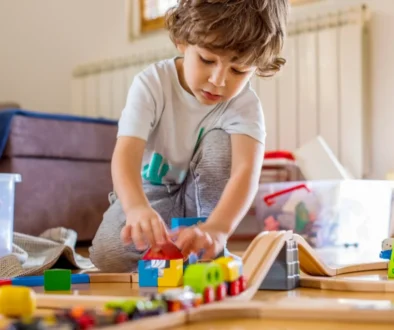
- Describe what your child does in play
- Practice using core words with your child
- Repeat what your child says with more words
- Read stories to your child

When a Child Struggles with Receptive Language
Children who struggle with receptive language often have difficulty in following-directions and understanding what is said to them. They may also struggle with vocabulary and understanding what they read in a story.
A speech therapy works with a child with these difficulties to help them grow their understand of language. They practice many different skills and develop their understanding of different concepts.
A child who struggles in this area may practice:
- Recalling the main idea of a sentence
- Making inferences based on a reading passage
- Following written or verbal directions
- Demonstrating what they heard by pointing
When a Child Struggles with Expressive Language
Children who struggle with expressive language often have difficulty in forming grammatically correct sentences and explaining what they mean in an organized way. They may also struggle with vocabulary and telling stories.
A speech therapy works with a child with these difficulties to help them expand their use of language. They help children develop these skills through therapy that is unique to their needs.
A child who struggles in this area may practice:
- Making sentences in response to a picture
- Giving a narrative to tell a story
- Selecting icons on their AAC device
- Using specific words, like pronouns and verbs
Get Your Child the Support They Need
You can get your child the support they need with receptive and expressive language by first speaking with a licensed speech therapist. A speech therapist is the only expert trained to treat receptive and expressive language disorders. If your child struggles with language, contact a speech therapist to get them the support they need.
At Verbalyze, we offer a free consultation to parents and answer any questions you may have for us. We also specialize in language disorders in kids and provide you with the tools you need to help your child at home.