How Play-based Speech Therapy Works at Home
Getting Started with Play-Based Speech Therapy
Play-based speech therapy is a model of therapy that gives children the lead in their learning while guiding them to acquire the skills they need. At first glance, play-based therapy may look like just play, though it is a powerful means to support children’s learning. Children get to play and participate in fun activities, while the speech therapist provides them with opportunities to grow their skills .
Play-Based Speech Therapy at Home
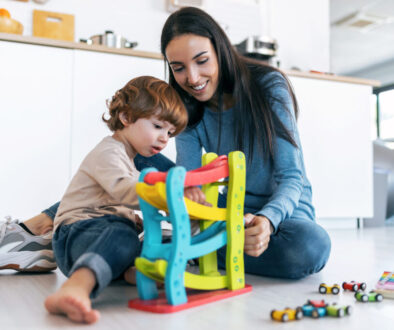
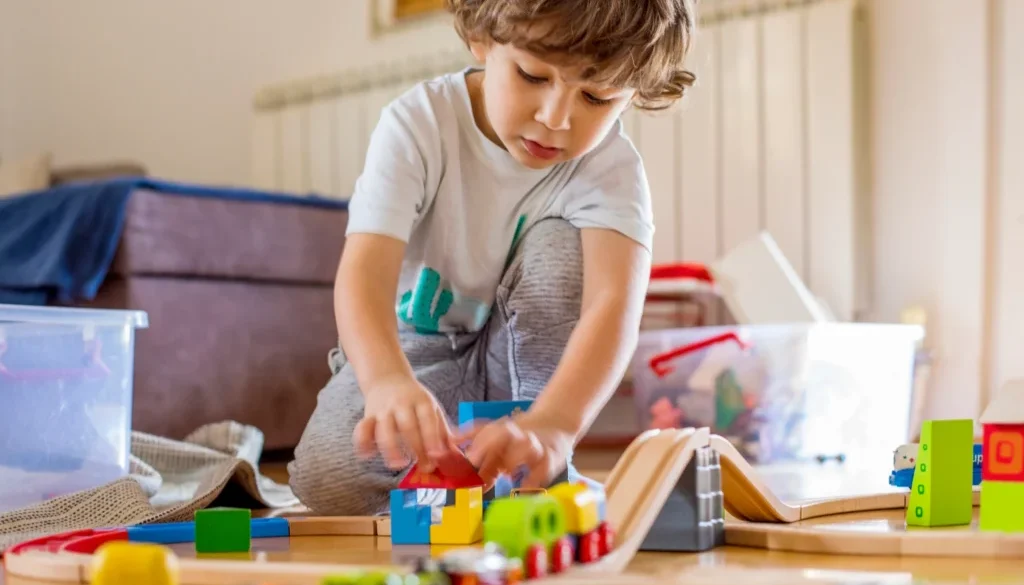
When a child participated in play-based speech therapy at home, they get the opportunity to learn in an optimal environment. A child’s home is filled with toys and games they love. These activities are ideal for speech therapy sessions and help make sessions more motivating, rewarding, and unique to your child. Compared to clinics, when speech therapy is in-home, children can bring to sessions what is most meaningful to them.
How Play-Based Speech Therapy Works
Whether the game or activity is shared by the therapist or the child, the activities serve as an opportunity for learning. Activities support different skills in different ways and play gives these games a context for the child to acquire the skills. For example, when playing with toy animals and a barn, a speech therapist can provide rich language models. They may also give prompts to support the child’s production of their sentences.
Toys and games can be used for many different skills, across speech, language, social communication, and more. Each toy or game may help provide a new opportunity to learn a skill. SLPs can use play-based therapy to create these opportunities.
Because play is interactive, the speech therapist can provide supports so the child learns while they play. Often times a child may only see play, while they practice their speech and language skills in ways specific to their needs.
In-home Expert Guidance for Families
When children receive play-based therapy at home, families can also learn how to support speech and language skills. Families get the chance to learn what skills are being introduced. They also learn how they can help their child learn at home.
Families receiving in-home speech therapy can speak with the provider confidently and privately, and ask questions about their child’s progress. Because the speech therapist provides therapy in the home, they can offer suggestions and recommendations during sessions. They can also share examples of how skills can be practiced.
In addition, in-home services naturally make sessions more personalized and unique to the child. When services are personalized, insight shared with families can be more individualized. The speech therapist may also get a better understanding of the child by seeing them in their home, interacting in a
Child-centered therapy
Play-based speech therapy is child-centered. When a child engages in play, the speech therapist guides and supports them by creating an environment that facilitates learning.
Play-based Speech
Speech can be practiced during play in many different ways. The way therapy is provided depends on the child’s needs and the speech therapy treatment plan. For example, a child who is learning early sounds, gets to practice speech when playing with toys with a speech therapist.
The SLP may give them models and ask that they repeat the models while providing unique visual and verbal prompts. The therapist may also introduce toys in a way where the child is asked to produce whole words and sentences with the speech sound(s).
Often times toys can be named to practice speech sounds in words, phrases sentences and conversation. When children engage in play, they may be more motivated to practice speech sounds while they play. There are many activities in which a child can participate and practice producing speech.
For older children, games are often included in sessions. This makes learning fun for kids and supports their participation in sessions.
Play-based Language
Language is one of the best areas to support through play. Play-based therapy gives children many unique opportunities to learn in a way that is meaningful to them. Language means putting words together to make phrases and sentences. When children play they often talk about what they and the characters are doing. In play-based speech therapy, SLPs join in pretend play and create rich learning opportunities.
For example, if a child is playing with a doll house, the speech therapist may give models like, “She is going up the stairs,” and “The cookies are ready.” The therapist may include visual supports to help produce sentences while they play so they learn and play at the same time.
Play-based therapy is interactive and gives children the chance to use many aspects of language. A child could ask questions, make comments, give directives, and describe the actions of their play. All of these can be support directly by a speech therapist during play.
Importantly, when play happens at home, the child learns in a comfortable environment that is functional and meaningful. They practice language where they spend much of their time. This can help them generalize their skills.
Play-based Social
For early learners, play-based therapy can provide a great opportunity for growing social skills. Play involves interaction and turn-taking. The interactions the child has with a speech therapist in play may include, greetings, social questions, social comments, jokes and more. Play that includes turn-taking can help give kids the foundations of social interaction and conversation.
When a child passes a ball back and forth, they engage in a form of interactive turn-taking. Games also provide rich opportunities for turn-taking as well as self-regulation. Some games, known as cooperative board games help support kids’ social skills and self-regulation by letting them work as team to win the game. In other games, the SLP can help kids self-regulate as they participate.
For older kids and teenagers, social skills can be introduced in play as well, though the type of games change. For example, a teenager might create a comic book where they create dialogue for the characters and describe the social context. Kids might also participate in conversation games and other social activities.
In-Home Speech Therapy Summary
In-home speech therapy is ideal for supporting children through play. Children get to participate in activities in a comfortable and familiar environment. When children participate in speech therapy at home, they get to share the toys and games they enjoy the most. Speech therapists can include these toys in sessions to support their learning.